Welcome guest, is this your first visit? Click the "Create Account" button now to join.



 Likes: 0
Results 1 to 1 of 1
-
10th June 2026, 02:45 PM #1Junior Member


- Join Date
- Jul 2005
- Location
- -
- Posts
- 5
- Rep Power
- 0
 How GPS-Enabled Dash Cams Change Fleet Dispatch and Emergency Response
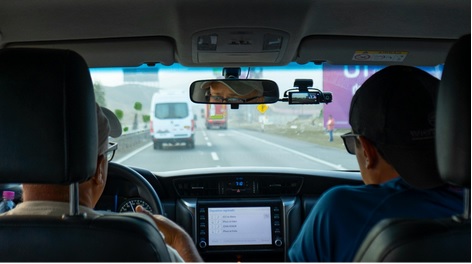
Modern transportation logistics have transformed with advanced telematics. Dispatches no longer rely only on radio check-ins and estimates. GPS-enabled dash cams now track location, driver behavior, and road conditions, reshaping fleet operations. This blog explores how these devices are transforming fleet management and emergency response.
1. Instant Visibility for Smarter Dispatching
Before GPS dash cams, dispatchers often operated in the dark. However, with live location streaming, dispatchers see exactly where every vehicle is on a map. This allows them to assign the closest available unit to a new pickup or service call. Live location streaming also eliminates blind routing, cutting fuel waste and vehicle wear while enabling accurate customer ETAs.
Dispatchers can instantly pivot during unexpected events like road closures, resolving issues such as unauthorized detours or overlapping routes before they compound. This constant visibility maximizes fleet productivity and response times.
Beyond location, modern systems feed in live video from the road. A dispatcher can glance at a fleet dash cam with GPS tracking feed to verify whether a driver is stuck in gridlock or parked illegally. In emergency scenarios, this visual layer is essential. If a fire truck is en route, the command center can see obstacles and guide the driver around them.
2. Faster Emergency Response with Incident Verification
Every moment of hesitation costs lives or money when an accident or medical crisis occurs on a delivery route. GPS dash cams automatically recognize abrupt braking, collisions, or unpredictable driving behavior.
The system promptly transmits a dispatch notification alongside the vehicle’s exact location. Emergency responders can be guided to the precise location without depending on a frantic driver’s account. The dash cam also captures events before the incident.
With instant verification, dispatchers can assess severity using video footage before sending help. For a fleet carrying hazardous materials, the camera might detect smoke or fluid leaks, prompting an immediate hazmat response. In police pursuits involving a stolen fleet vehicle, real-time GPS and video give law enforcement an edge.
3. Post-incident Analysis and Driver Coaching
GPS-enabled dash cams store location history and synchronized video. This creates a timestamped record of every route, stop, and driving behavior. Fleet managers can replay what went wrong, whether it’s a wrong turn that added 10 minutes, or a driver who failed to yield at an intersection. This evidence is far more reliable than memory or logbooks when conducting root cause analysis.
Companies can train drivers to improve both efficiency and safety using this data. For instance, the GPS overlay can reveal traffic patterns, enabling dispatchers to adjust future assignments when multiple drivers consistently take a slower route in the afternoon. Emergency response teams can also review footage to speed up arrival times. These small improvements will lead to quicker service times, reduced fuel consumption and fewer recurring incidents.
Endnote
GPS-equipped dash cams give fleets instant visibility and control. Live location and video let dispatchers send the nearest vehicle, confirm emergencies, and learn from each trip. From vans to ambulances, this means quicker responses, lower costs, and greater confidence.

 Reply With Quote

Bookmarks